

To survive in the hospitality sector, businesses must create inviting, flexible spaces that cater to diverse customer needs. Thoughtful lighting control can enhance the customer experience while saving energy, says lighting consultant Dave Tilley.
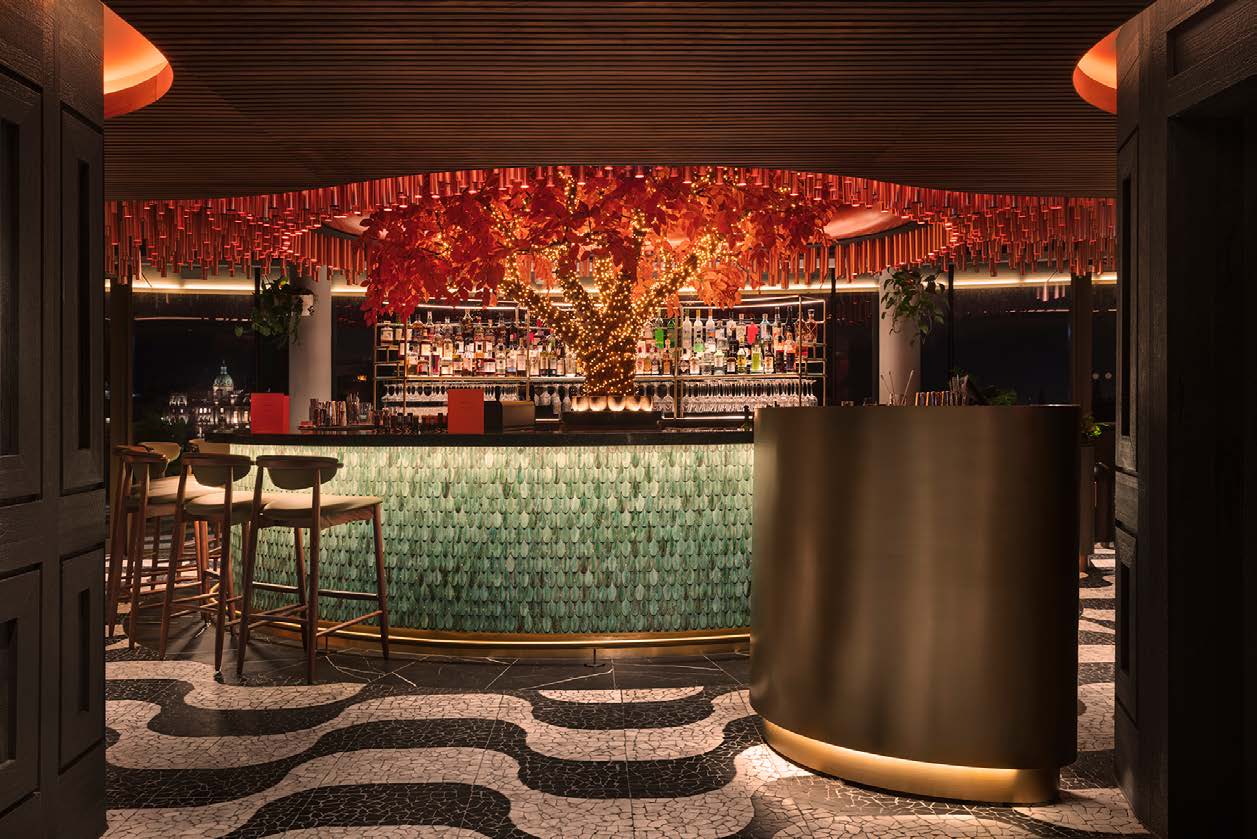
The hospitality sector is extremely challenging and fiercely competitive, a fact punctuated by the closure of over 400 pubs and 1400 restaurants in the UK alone in 2024. The outlook is just as bleak with record numbers of hospitality venues predicted to close in 2025. The need for hospitality to attract and secure customers has never been more important to survival.
The balance between space functionality, ambiance and energy efficiency are key factors to meeting these challenges and, ultimately, business survival.
Hospitality now, to survive, must consider a range of customer requirements, social gatherings, business meetings, workspace, events and sometimes even a relaxing drink.
Of course, there are businesses with a strong local following that simply turn the lights on and the customers come in. However, many businesses must compete for customers who are now far more discerning and expect more from their time and money.
Lighting control does not have to be sophisticated; a simple honeycomb lens, dimmer switch or sensor may well support the customer experience.
Many hospitality spaces have basic lighting control functions – such as ‘clean’, ‘lunch’, ‘dinner’ and ‘security’ – but this does not consider natural light, branding, points of interest and areas that have multiple activities. This very simple approach to lighting control may provide a degree of energy efficiency but light levels are constant.
A famous national chicken restaurant brand has a hand painted logo, traditional artwork, restaurant information and in larger restaurants designated event areas. Natural light, generally along the front of the restaurant, will always interact with the artificial light and provides the opportunity for additional energy saving.
Lighting controls enables every area and application to be managed balancing light levels, creating ambiance and proving a comfortable relaxing environment.
During the day advantage can be taken of natural light while in the evening when the general lighting levels are reduced while the logo and artwork can be highlighted. The events area can have the ambiance and light levels managed adding to the customer experience.
It is worth noting that lighting control systems do require management. There is little point installing a system that is left until there are no scenes with all the circuits defaulting to standard.
As with lighting many business owners do not appreciate how the benefits lighting controls contribute to the customer experience and comfort. But how often are places dimly illuminated or the glare from an LED causes discomfort?
If the key lighting design principle of ‘light what you want to see’ and perhaps include the appropriate light level it would be a good place to start.
Lighting together with lighting control enables the owner to present the business at its best and provides the space required by customers.
Anything the hospitality sector can undertake to reduce the number of closures has to be positive.